
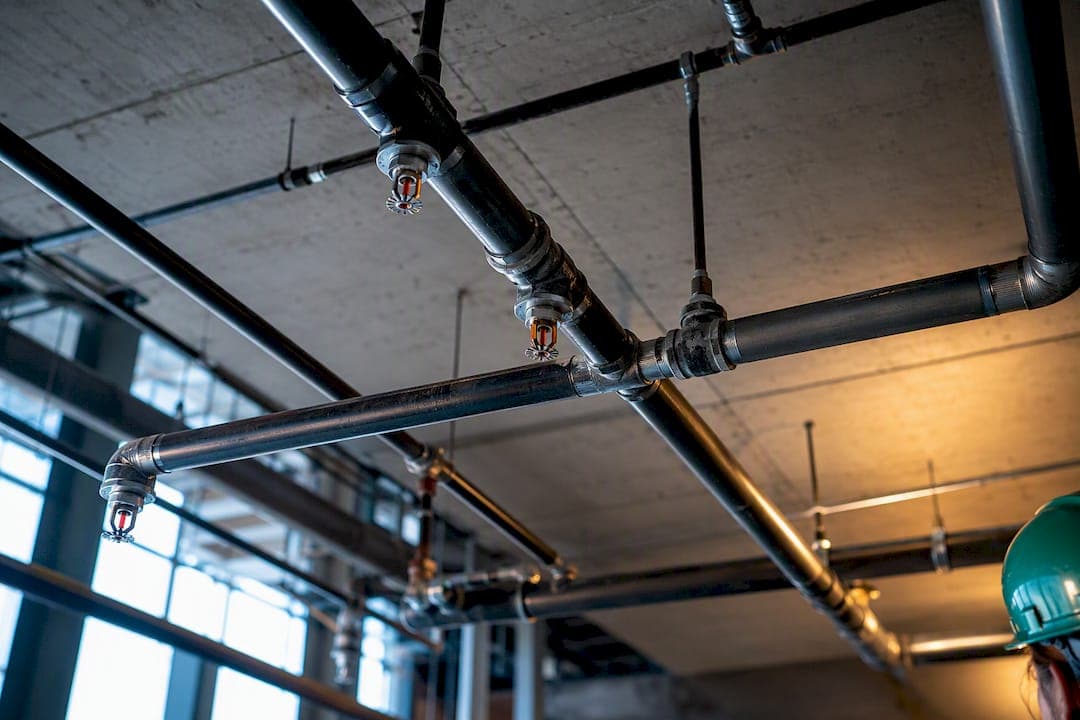
The fastest route to an accurate fire sprinkler bid is a tight three-part system: a repeatable estimating workflow, standard assemblies built into a reusable template, and a digital takeoff that gets checked by hand before pricing goes out. Fire sprinkler estimating built this way follows the logic of NFPA 13 spacing rules and hydraulic calculations, not guesswork. Below, Dave walks through the workflow, the templates, and the checklist that make bids faster and margins safer.
TL;DR:
- Automated symbol recognition speeds up head counting but still requires manual verification to catch structural conflicts or design details automated tools miss.
- Most bids should include a contingency of 10 to 15 percent for retrofit jobs due to concealed conditions and existing building complexities.
- Cross-check head counts with coverage area calculations and verify hanger and valve quantities against code spacing during the final bid review.
- Using reusable standard assemblies and templates cuts build time and reduces errors, especially when piping and components frequently reappear across projects.
- Estimators typically spend one to several days on larger or complex projects, with turnaround improving significantly when complete, updated bid packages are available upfront.
Table of Contents
- What Is Fire Sprinkler Estimating and Why Takeoff Accuracy Matters
- Step-by-Step Estimating Workflow for Bid Day
- Essential Takeoff and Estimating Features to Prioritize
- Free Templates and the Line-Item Checklist Every Sprinkler Estimate Needs
- Common Cost Drivers and Quick Productivity Checks
- Estimating Implications for Retrofits vs New Construction
- Bid-Day Quality Control Checklist and Common Mistakes to Catch
- How Long Does a Fire Sprinkler Estimate Usually Take?
- How to Choose Fire Sprinkler Estimating Software for Your Business
- Overview of Pricing Models for Fire Sprinkler Estimating Services
- Managing Changes and Revisions Without Losing the Bid
- Handling Supplier and Subcontractor Quotes Inside Your Estimate
- Lessons From Running a Specialty-Sub Business
- Where Subascent Fits Into Your Estimating Process
- Sources
- FAQ
What Is Fire Sprinkler Estimating and Why Takeoff Accuracy Matters
Fire sprinkler estimating is the process of quantifying every head, pipe run, fitting, hanger, and ancillary component on a set of drawings, then pricing that bill of materials against labor and equipment costs to produce a bid. It sits downstream of the engineer's hydraulic calculations but upstream of everything a sprinkler sub actually gets paid for.
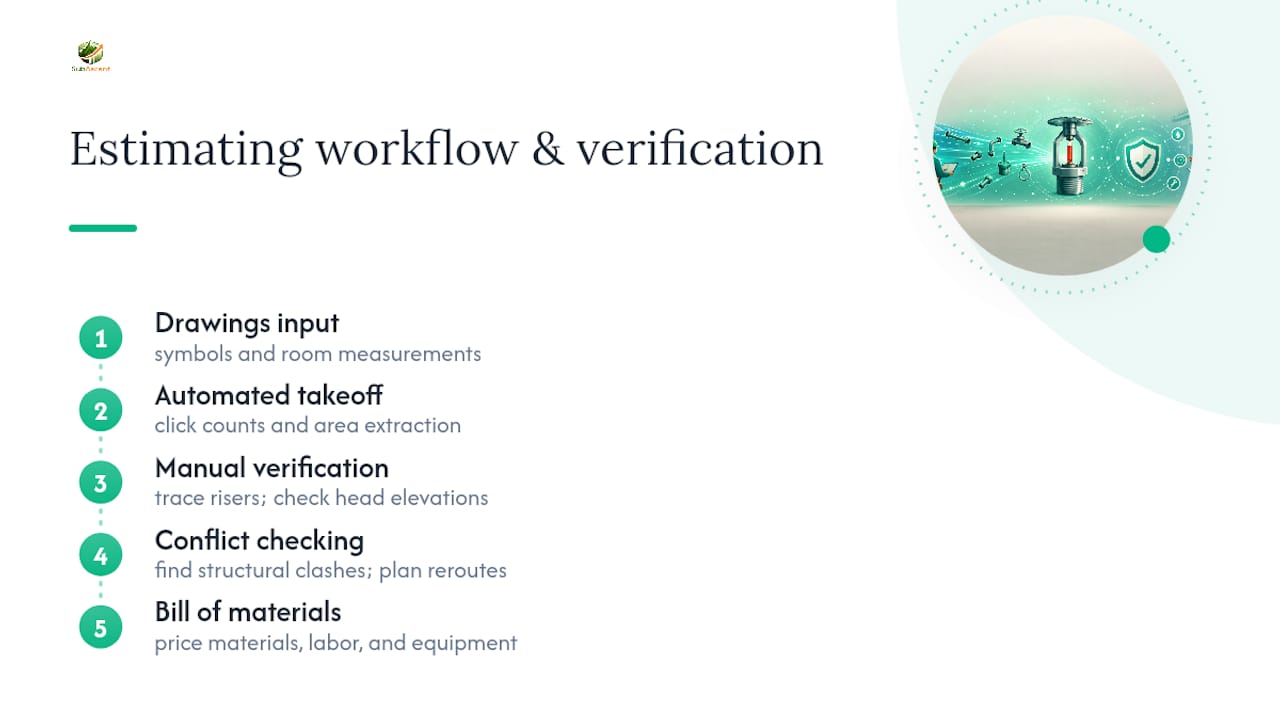
Digital takeoff tools speed the counting and measuring part of that job. They let an estimator click a symbol on a PDF and get an automatic count, or trace a room and get square footage instantly, instead of counting heads by hand across a 40-sheet set. That speed is real. But automated extraction still misses things a trained eye catches: a riser detail buried in a section cut, a multi-tier ceiling drop that changes head elevation, a structural conflict that forces a reroute. Specialist estimators who verify manually by tracing risers floor by floor still catch errors that automated counts miss. The right approach uses software for speed and a human for judgment, in that order.
Step-by-Step Estimating Workflow for Bid Day
A fire sprinkler estimate falls apart when steps get skipped under deadline pressure. Procore's estimating guide lays out a seven-step process that maps cleanly onto how sprinkler subs actually work, and it holds up whether you're bidding a strip mall or a 12-story residential retrofit.
- Intake the full package. Confirm you have the complete drawing set, all addenda, the written scope, and the hydraulic calculations. A bid built on a partial set is a bid you'll regret.
- Filter for fit. Before you spend hours on takeoff, decide whether this job matches your crew's skill level, your current backlog, and your risk appetite. Not every invitation deserves a bid.
- Run takeoff in order. Count heads first, then measure coverage areas, then trace pipe runs by diameter, then count fittings, then hangers and sway bracing, then auxiliary items like backflow assemblies and fire pumps.
- Build from assemblies. Pull pricing from standard assemblies instead of pricing each fitting individually. This keeps your bill of materials consistent across bids and cuts build time.
- Price in sequence. Material, then labor, then equipment, then allowances, then contingency and markup last.
- Check your work. Cross-check head counts against coverage area using code-required spacing, and have a second set of eyes review the whole estimate.
- Assemble and follow up. Export the bill of materials into your proposal format, submit, and track the bid for questions or addenda.
Pro Tip: Build your assemblies once, in a spreadsheet or your estimating software, and reuse them on every bid. An assembly for a "standard pendant head with 1-inch drop, hanger, and fitting" saves you from re-deriving the same math fifty times a year.
Essential Takeoff and Estimating Features to Prioritize
Not every feature in a takeoff tool earns its keep. Focus on the ones that reduce errors on a real job, not the ones that look good in a demo.
- Automated symbol counting speeds the head count dramatically, but treat the number as a draft. Overlapping symbols, revision clouds, and low-resolution scans throw off automated counts, so a manual spot-check on every sheet is non-negotiable.
- Coverage measurement and zone splitting should tie directly to NFPA 13 spacing logic, letting you divide a floor into hydraulic zones and confirm head density matches hazard classification.
- Custom assemblies and presets turn a repetitive counting exercise into a pricing exercise. Set up your standard drop, hanger, and fitting bundles once and apply them across the job.
- Exportable bills of materials save you from retyping quantities into a proposal template or a supplier quote request.
- Cross-sheet validation and layered drawing support matter most on multi-floor jobs, where a riser on sheet FP-3 has to reconcile with the same riser shown on FP-1.
- Markups linked directly to BOM entries mean a change to a drawing markup updates the quantity automatically, instead of leaving a stale number in your estimate.
- Collaboration features that let a second estimator review counts before submission catch the kind of error that shows up only after you've already lost margin on the job.
A PDF takeoff done carelessly creates the same scaling and double-count risks in sprinkler work as it does in any other trade, so the same discipline around plan handling applies here.
Free Templates and the Line-Item Checklist Every Sprinkler Estimate Needs
A good sprinkler estimate template has five sections: a project header (name, address, GC, bid due date, addenda log), a one-page summary (total price, key exclusions, alternates), the detailed bill of materials, labor assumptions, and terms (allowances, exclusions, payment terms).
The line items inside that bill of materials are where estimates typically fall apart, usually because something got left off. Here's the core list:
- Sprinkler heads by type (standard, extended coverage, sidewall, dry, ESFR)
- Drop assemblies and escutcheons
- Pipe by diameter and schedule, listed separately for each size
- Fittings (tees, elbows, reducers, couplings)
- Hangers and seismic sway bracing, counted per code spacing rather than estimated
- Valve assemblies (check valves, control valves, alarm valves)
- Backflow preventers and testing
- Fire pumps, where the system requires one
- Permits, inspection fees, and system testing
- Equipment rental (lifts, hoisting)
Vortex Estimating's service breakdown specifically flags hangers, couplings, and sway bracing as items estimators commonly undercount, and each one turns into a change order request if it's missing from the original bid.
| Template Section | What Goes Here |
|---|---|
| Project header | GC name, project address, bid due date, addenda received |
| Summary | Total bid price, major exclusions, alternates offered |
| Bill of materials | Heads, pipe, fittings, hangers, valves, pumps by line item |
| Labor assumptions | Composite per-head rate, crew size, duration estimate |
| Allowances and contingency | Retrofit unknowns, permit fees, testing allowances |
| Terms | Payment schedule, exclusions, warranty language |
Build an assembly whenever you find yourself repricing the same combination of parts. "Standard pendant drop" is an assembly. "Sway brace at 40-foot intervals" is an assembly. Place contingency and markup as separate lines at the bottom, never buried inside material pricing, so the GC can see exactly what you're carrying and why.
Common Cost Drivers and Quick Productivity Checks
Labor drives fire sprinkler pricing more than material does on most jobs. Estimators frequently build a composite labor rate per head that bundles hanging, joining, testing, and cleanup into one number, rather than trying to price each task separately. That composite approach captures work that's easy to forget when pricing line by line, like drilling through steel deck or repositioning a lift three times on the same floor.
Sanity check: Commercial sprinkler installs typically run $1.50 to $10.00 per sprinklered square foot, depending on system type, occupancy, and whether it's retrofit or new construction. Run your bid against that range early. If your number lands far outside it, go find the mistake before you submit.
The other major swing factors:
- Retrofit premium. Concealed conditions and existing structure routing add labor hours that don't show up on a clean set of new-construction drawings. Many estimators carry a 10 to 15 percent contingency on retrofit labor as standard practice, though the right number depends on how much of the building you can actually see before bid day.
- Access and equipment. Lift rental, staging, and hoisting on high-ceiling or multi-floor jobs can shift a bid meaningfully if they're not priced explicitly.
- Material choice. Steel pipe generally costs more in labor time to cut, thread, and hang than CPVC, which installs faster but carries different code restrictions by occupancy.
- Head-spacing cross-check. Divide your total square footage by the maximum coverage area per head allowed under the hazard classification. If your head count is wildly off from that number, recheck your takeoff before pricing goes further.
Estimating Implications for Retrofits vs New Construction
Retrofit sprinkler jobs carry risk that new construction simply doesn't have. You're routing pipe through a building that's already built, which means concealed conditions (asbestos, undersized chases, structural members that weren't on the original drawings) show up mid-install and eat your labor budget. Practitioner guidance across the trade treats retrofit contingency as standard, not optional, precisely because those unknowns are so common.
Before final pricing on any retrofit, require a site assessment covering:
- Existing ceiling type and access above it (drop ceiling vs. hard lid vs. exposed structure)
- Structural obstructions along planned pipe routes
- Existing water supply capacity and whether it supports the new system's demand
- Access points for equipment (freight elevator, loading dock, stair width)
- Asbestos or hazmat status on any surface you'll penetrate
Present retrofit risk on the bid as a clearly labeled allowance or provisional sum, not folded silently into your unit pricing. That transparency protects your margin and gives the GC a defensible number if conditions change once walls open up. The most common change-order triggers in retrofit sprinkler work are undersized existing risers, unmarked utilities in ceiling chases, and water supply that doesn't meet the hydraulic demand assumed at bid time.
Bid-Day Quality Control Checklist and Common Mistakes to Catch
Every estimate deserves a final pass before it leaves your office. This is the checklist that catches the mistakes that actually cost money.
- Cross-check head counts against area-based totals. If your symbol count and your coverage-area math disagree by more than a few heads, find out why before you submit.
- Verify hanger and bracing counts against total pipe length. Hangers and sway braces follow code-mandated spacing, so you can calculate an expected count and compare it against your takeoff.
- Confirm valve, backflow, and fire pump allowances are actually in the bid. These get missed more often than heads because they show up on a different sheet than the main sprinkler layout.
- Confirm permit and inspection costs are priced, not assumed. Fees vary by jurisdiction and system size.
- Get a second estimator to review the whole bid. A peer review catches transposed numbers and missing line items that the original estimator is too close to the work to see.
- Export the final BOM in the format the GC requested, and set a reminder to follow up if you haven't heard back within a week.
Pro Tip: Keep a running list of every item that's caused a change order on past jobs. Review that list against every new bid before submission. It takes five minutes and it's the cheapest insurance you'll ever buy on a bid.
How Long Does a Fire Sprinkler Estimate Usually Take?
A straightforward tenant improvement or small commercial job typically takes an experienced estimator somewhere between a few hours and a full day to price, once the drawing package is complete and the hydraulic calcs are in hand. A multi-floor retrofit or a large industrial job with ESFR heads, multiple risers, and complex routing can take several days, especially if a site visit is required before pricing.
Turnaround also depends heavily on how complete the bid package is when it arrives. A set missing addenda or hydraulic calculations forces a pause while you request what's missing, and that back-and-forth adds days you didn't plan for. Setting expectations with the GC up front about what you need to hit their bid date, and confirming you have it before you start the clock, avoids a rushed estimate at the deadline.
Bid deadlines in this trade tend to be tight, often a week or two from invitation to submission, especially on competitively bid public work. That timeline gets even tighter when addenda land late in the process, which is common. Building a template library and standard assemblies ahead of time is what makes a one-day turnaround possible on a job that would otherwise take three, because the pricing logic is already built and only the quantities change.
How to Choose Fire Sprinkler Estimating Software for Your Business
Start with your actual pain point, not a feature list. If your estimators spend most of their time counting heads by hand, prioritize automated symbol recognition. If your real problem is inconsistent pricing between estimators, prioritize custom assemblies and a shared template library over flashier takeoff features.
Match the tool to your project mix. A sub that mostly bids small tenant improvements doesn't need the same zone-splitting and multi-floor cross-referencing power as a sub bidding high-rise retrofits. Paying for capability you don't use is just as costly as lacking capability you need.
Check how the tool handles exports. Your estimate has to leave the software and become a proposal, a purchase order, and eventually a job budget. A tool that traps your bill of materials in a proprietary format that doesn't export cleanly into Excel or your accounting system creates more work than it saves.
Weigh setup time against team size. A five-person shop can absorb a steeper learning curve for a powerful tool. A two-person estimating team needs something that a new hire can pick up in a day, because you don't have the bench to dedicate someone to being "the software person."
Finally, confirm the tool supports the collaboration your team actually needs, whether that's a second estimator reviewing counts before submission or a project manager pulling the same BOM into a job budget once you win the work. Software that only works for the person who built the estimate doesn't scale as your shop grows.
Overview of Pricing Models for Fire Sprinkler Estimating Services
If you outsource estimating rather than doing it in-house, expect to see a handful of common fee structures. Flat-fee-per-project pricing is common for straightforward jobs, where the estimating service quotes a fixed price based on square footage and drawing complexity before starting work. This gives you cost certainty, which matters when you're bidding thin-margin work yourself.
Per-square-foot pricing scales the estimating fee to project size, and it's common on larger commercial or industrial jobs where a flat fee wouldn't reflect the actual hours involved. Hourly or per-sheet pricing shows up on complex retrofits where the scope of work, and therefore the time required, is hard to pin down until someone has actually reviewed the drawings.
Some services offer subscription or volume-based pricing for subs who need frequent estimates, trading a lower per-project cost for a recurring commitment. That model tends to make sense once you're bidding enough volume that in-house estimating capacity, or software you own outright, starts looking cheaper than paying per bid regardless of the model. Whichever structure you're quoted, ask exactly what's included: takeoff only, or takeoff plus pricing, plus revisions if the scope changes after the first draft.
Managing Changes and Revisions Without Losing the Bid
Addenda and scope revisions are normal in sprinkler bidding, not exceptions. The mistake is treating a late addendum as a footnote instead of rerunning the affected part of your takeoff.
When a revision comes in, isolate exactly what changed rather than re-eyeballing the whole set. If the addendum touches one floor or one riser zone, rerun the takeoff for that zone specifically, and confirm it doesn't cascade into other areas (a new mechanical unit on the roof, for instance, can shift hazard classification for an entire zone below it).
Track every addendum and revision in a log tied to your bid file, noting the date received and what changed. When a GC or owner questions your final number after award, that log is what lets you explain a price difference without scrambling to reconstruct your reasoning weeks later. It's also your best defense if a change order dispute comes up mid-project. For documenting how allowances and provisional sums shift with scope changes, a structured change order approach keeps your paper trail defensible instead of informal.
Set an internal cutoff for how close to bid deadline you'll accept a revision before flagging a scope risk to the GC rather than absorbing it silently. Absorbing every late change without pushback is how bids that looked profitable on paper turn into breakeven jobs in the field.
Handling Supplier and Subcontractor Quotes Inside Your Estimate
Fire pump suppliers, backflow preventer manufacturers, and fire pump installers often quote directly into your estimate rather than you pricing every component yourself. Treat those quotes the way you'd treat your own takeoff: verify before you trust.
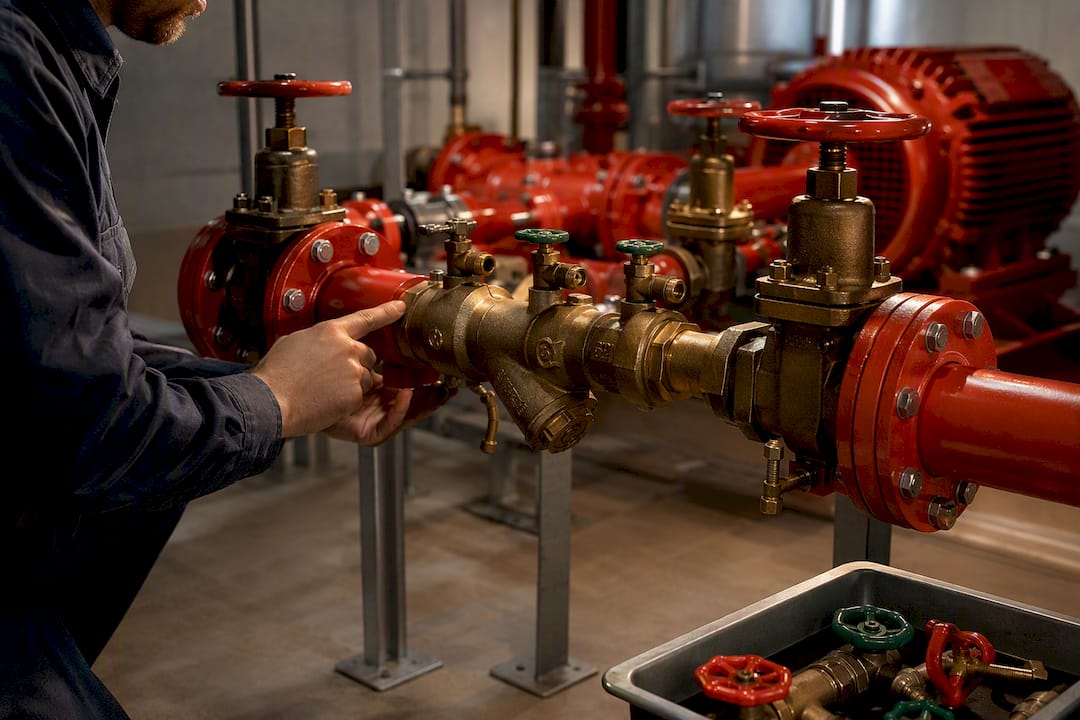
Confirm the quote matches your actual scope, not a generic package. A backflow assembly quote needs to specify the exact device size and type your hydraulic calcs require, not just "backflow preventer" as a line item. Mismatches here are a common source of change orders once the job starts and the wrong-sized unit shows up on site.
Check the quote's validity period against your bid deadline. Material pricing shifts, and a 30-day quote on a fire pump doesn't help you if your bid sits with the GC for two months before award. Build a follow-up reminder into your process so a quote doesn't quietly expire while you're waiting to hear back on the job.
Flag supplier scope gaps before you carry the risk yourself. If a backflow supplier's quote excludes required testing or a compliance inspection, that gap belongs in your bid as a separate line, not absorbed into your own labor. A partner resource on backflow compliance requirements is worth a read if backflow testing rules aren't something your team handles often, since requirements vary by jurisdiction and getting them wrong after award is expensive to fix.
Lessons From Running a Specialty-Sub Business
The most useful checklist item Dave has seen come out of a mistake, not a textbook. A missed sway-brace count on a retrofit job, caught only after the change order landed, turned into a permanent step: cross-check hanger and brace counts against pipe length on every bid, no exceptions.
Who should own takeoffs versus pricing matters more than most small shops admit. The person doing the counting should not be the same person deciding the final number under deadline pressure, because fatigue makes those two jobs blur together and errors slide through unchecked. Split them where headcount allows, even informally.
— Dave
Where Subascent Fits Into Your Estimating Process
There are job and bid management software options built for specialty trade subs that bundle the pieces this article just walked through into one subscription: automated bid tracking so due dates don't slip past you, estimating templates with reusable assemblies, a PDF takeoff add-on for counting heads and measuring coverage without leaving the plan set, and QuickBooks sync so your winning bid becomes a job budget without retyping numbers.

Some subscription pricing models offer a flat monthly or annual fee to avoid rebuilding estimating workbooks and per-seat fees that increase costs as the team grows. If your team spends more time hunting for assembly pricing than building bids, that switching cost is the problem worth solving. Consider trialing software that might cut your build time before your next deadline.
Sources
- 7 Steps to Complete a Fire Suppression System Estimate | Procore
- Fire sprinkler system installation cost (TFP1 blog)
- Commercial Fire Sprinkler Cost 2026: $2-$10/Sq Ft | Total UC
- Fire Protection Estimating - Design Estimation
FAQ
What Is Fire Sprinkler Estimating?
It's the process of quantifying heads, pipe, fittings, hangers, and ancillary components from drawings and hydraulic calculations, then pricing that bill of materials into a bid.
How Accurate Is Automated Sprinkler Takeoff Software?
Automated symbol counting speeds up head counts significantly, but it can miss structural conflicts and multi-tier ceiling drops, so manual verification against the drawings remains necessary.
What's a Reasonable Contingency for a Retrofit Sprinkler Bid?
Many estimators carry 10 to 15 percent contingency on retrofit labor as standard practice, since concealed conditions in existing buildings create unknowns that new construction drawings don't have.
How Long Does a Typical Fire Sprinkler Estimate Take to Complete?
A small commercial job usually takes a few hours to a full day once the drawing package is complete; large or multi-floor retrofits can take several days.
Can Software Like Subascent Help With Fire Sprinkler Estimating?
Subascent bundles bid tracking, estimating templates, a PDF takeoff add-on, and QuickBooks sync into one subscription, which cuts the setup time of juggling separate tools for each step.