
Blog
Discover our latest articles and blogs
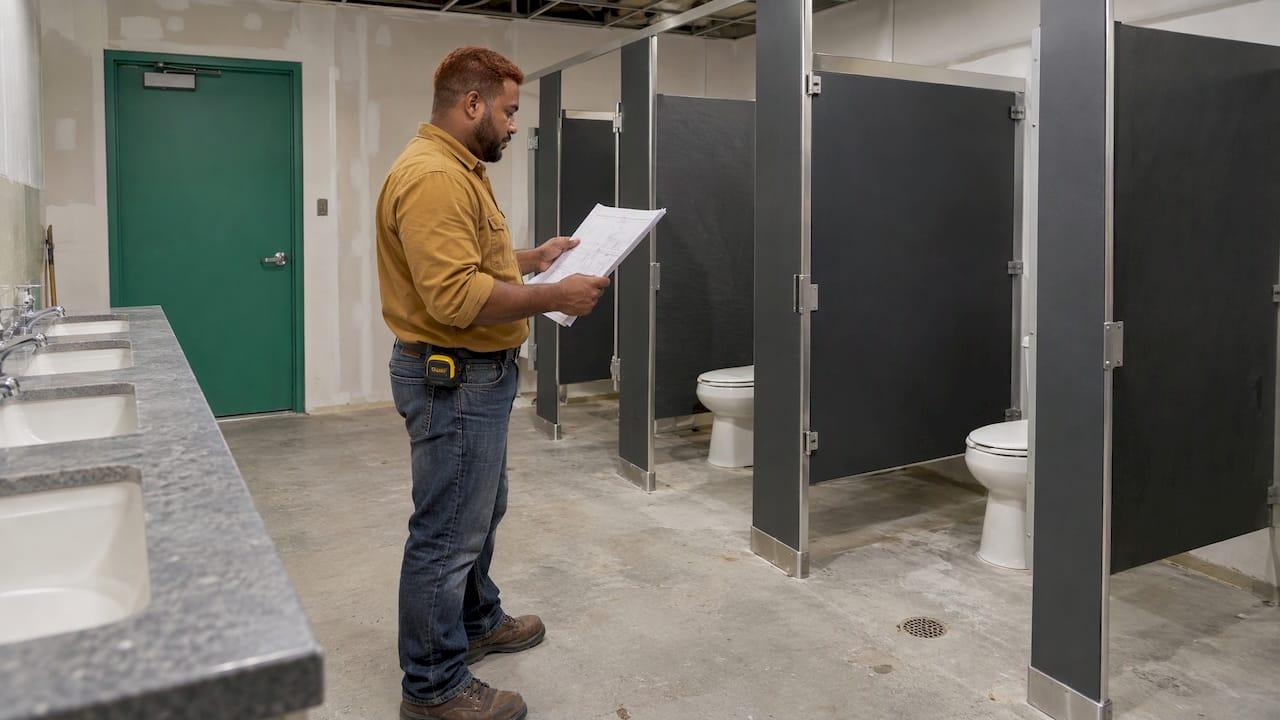
Fixture Unit Counts: How Plumbing Subs Count and Convert Them
Fixture unit counts explained for plumbing estimators: DFU vs. WSFU, a worked example, code tables, 4-inch pipe limits and the mistakes that sink a bid.

Subcontractor Invoice Terms: Net 30, Pay-When-Paid and Retainage
What subcontractor invoice terms really mean for electrical, plumbing, masonry and other trades: Net 30, pay-when-paid, pay-if-paid, retainage and what to put on the invoice.

Invoice Backup Documentation for Trade Subs: What to Attach
What invoice backup documentation a trade sub needs on a pay application: labor, materials, stored materials, change orders and waivers, plus how to match payments.

Tapered Insulation Takeoff: A Method Roofing Estimators Can Audit
How roofing estimators take off tapered insulation: read the drainage plan, split zones, count board feet, handle crickets and waste, and order with confidence.

Percent Complete Accounting for Trade Subs: A Plain Guide
How percent complete accounting works for electrical, plumbing, HVAC and masonry subs: the formula, over/under billing, change orders and a worked example.

Daily Report Checklist for Trade Subs: What to Log
A daily report checklist for specialty trade subs: every field to log, how to name field photos, how to document punch items, and examples by trade.

Notice of Delay: What Trade Subs Send and When
How a specialty trade sub writes a notice of delay: deadlines, what the letter must say, who gets it, and how change order clauses affect your claim.

Go/No-Go Criteria for Trade Subs: A Bid Checklist
Go/no-go criteria for specialty trade subs: the questions, a simple scoring matrix, and a 48-hour process to decide which bids deserve your estimators' time.

Material Price Variance: Formula and Examples for Trade Subs
Learn the material price variance formula, see worked trade examples, and find out how subs use it to protect margin before a job closes.